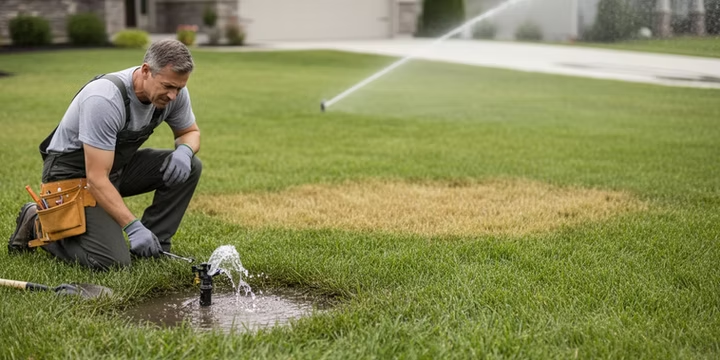
A sprinkler system should be a homeowner’s best friend, quietly working to keep the lawn green and healthy. But when it’s neglected, it quickly becomes a source of frustration, leading to brown patches, muddy puddles, and surprisingly high water bills. This is where understanding sprinkler system maintenance importance comes into play. It’s not just about fixing what’s broken. It’s about proactively caring for your investment to save water, money, and your entire property.
Regular maintenance turns your irrigation system from a liability into a powerful asset. It ensures every drop of water is used effectively, your plants get exactly what they need, and small issues are caught before they become expensive disasters.
If you’re in Lubbock or West Texas, schedule a system checkup to get a professional plan in place before problems escalate.
The Core Benefits: Why Your Lawn and Wallet Will Thank You
The reasons for keeping your system in top shape go far beyond just having green grass. The true sprinkler system maintenance importance lies in its wide reaching benefits for your property, your wallet, and the environment.
Healthy Lawns and Vibrant Plants
Your landscape’s health is directly tied to how it’s watered. Inconsistent irrigation is a top reason lawns struggle, often mistaken for poor soil or pests.
- Even Water Distribution: A well maintained system ensures every part of your lawn gets a uniform amount of water. This prevents overwatered spots that develop weak, shallow roots and dry patches where weeds take over. If you’re seeing uneven coverage, a guide on fixing water distribution issues can help diagnose the cause.
- Avoiding Overwatering: Too much water is just as bad as too little. It can drown roots, wash away nutrients, and create a breeding ground for fungus and pests like mosquitoes. Proper maintenance helps you find the perfect watering balance.
Lower Water Bills and Maximum Efficiency
Outdoor watering can account for 30% or more of a home’s total water use, and a shocking amount of that is often wasted.
- Water Waste Prevention:As much as 50 percent of the water used outdoors may be lost due to wind, evaporation, and runoff caused by inefficient irrigation methods. Simple maintenance can cut a home’s outdoor water consumption by 20% to 30%.
- Water Efficiency: An efficient system delivers water precisely where it’s needed. This means fixing leaks, adjusting spray patterns, and using smart technology. Just one broken sprinkler head can waste as much as 25,000 gallons of water over a six month irrigation season, a powerful reminder of sprinkler system maintenance importance.
- Runoff and Erosion Prevention: When a system applies water too quickly, it runs off into the street, carrying topsoil and expensive fertilizer with it. Techniques like the “cycle and soak” method, where sprinklers run in short intervals, allow water to absorb deep into the soil, preventing waste and promoting stronger roots.
Protect Your Property and Foundation
Most homeowners think of sprinkler maintenance purely in terms of lawn health. But a malfunctioning irrigation system can threaten the structural integrity of your home.
In West Texas, the expansive clay soils around Lubbock shrink dramatically during dry periods and swell when saturated. When a sprinkler system leaks near a foundation, or when broken zones leave one side of the house bone dry while the other stays soaked, this creates uneven moisture levels in the soil. That differential movement is exactly what causes foundation cracks, sticking doors, and uneven floors. Practitioners on Reddit and home improvement forums frequently point to undetected sprinkler leaks as a hidden contributor to expensive foundation repairs.
Conversely, a system that doesn’t water consistently can allow the soil near your slab to pull away, creating gaps that destabilize the foundation over time. Routine maintenance keeps watering uniform around your entire property, which stabilizes the soil and protects your biggest investment. Foundation protection alone illustrates the sprinkler system maintenance importance that many homeowners overlook until damage has already occurred.
Overwatering from a stuck valve or broken head can also cause standing water in your yard, which invites mosquitoes, damages turf roots, and can even seep into crawl spaces or garage slabs. Getting ahead of these issues is far cheaper than a foundation repair that runs into the thousands.
Enhance Curb Appeal and Property Value
A well maintained irrigation system does more than keep grass alive. It directly supports the overall appearance and market value of your property.
According to the National Association of Realtors, good landscaping can add 10% to 12% to a home’s value. But that number depends on the landscaping actually looking healthy, which requires reliable, consistent watering. Dead patches, overwatered mud spots, and dry flower beds send the opposite signal to buyers and neighbors alike.
A properly maintained system ensures that turf, trees, shrubs, and flower beds all receive the right amount of water at the right time. That translates into a lush, uniform look that stands out on any street. For homes in Lubbock’s older neighborhoods, where systems may be decades old, even modest upgrades during routine maintenance (replacing clogged nozzles, adjusting head spacing, adding a drip zone for beds) make a visible difference.
If you’re considering selling, or simply want your property to look its best, working with an irrigation design specialist to optimize coverage pays for itself in curb appeal alone.
Spotting Trouble: What to Look For
Your sprinkler system will usually give you clues when it needs attention. Recognizing these signs early is a key part of understanding sprinkler system maintenance importance.
Signs Your System Needs a Checkup
Keep an eye out for these common red flags:
- Uneven Lawn Conditions: Do you have mysteriously brown spots or unusually soggy areas? This is a classic sign of uneven watering caused by clogged, broken, or misaligned heads.
- A Sudden Spike in Your Water Bill: If your water bill jumps unexpectedly compared to the same time last year, you likely have a hidden leak. Learn more about detecting underground leaks before they get worse.
- Visible Issues: Sputtering or misting heads, geysers of water, or heads that don’t pop up or retract are obvious signs that something is wrong.
- Low Water Pressure: If one zone seems weaker than the others, it could point to a leak in an underground pipe or a failing valve.
The Value of Early Issue Detection
Catching problems early saves you from bigger headaches down the road. That small leak or clogged nozzle might not seem like a big deal, but it wastes a surprising amount of water and puts stress on the rest of your system. In the U.S., it’s estimated that about half of the nine billion gallons of water Americans use outdoors every day at home is wasted by runoff, wind, and evaporation due to inefficient irrigation.
A professional inspection can pinpoint hidden issues that homeowners miss. This is especially true for underground pipe leaks and wiring faults that show no surface symptoms until the damage is significant.
The Long Game: Protecting Your Investment
Proper care isn’t just about immediate results. Consistent upkeep directly impacts how long your system lasts and how much you’ll spend on it over the years. This forward thinking approach is central to sprinkler system maintenance importance.
Reduce Expensive Repair Costs
The average sprinkler repair can cost a homeowner around $270, but complex jobs can easily run much higher. Many of these costly repairs are preventable.
- Preventative Care: Spending a little on routine checks helps you avoid major breakdowns. For example, replacing a worn out $4.03 cover/seal assembly can prevent a major underground leak that would require expensive excavation.
- Avoiding Emergencies: A burst pipe on a weekend can come with steep emergency service fees. Regular maintenance, especially seasonal adjustments, helps prevent these surprises. Failing to maintain a system ultimately costs more in high water bills and a shorter component lifespan than the price of regular tune ups.
For a detailed breakdown of what repairs typically cost, see this sprinkler repair cost guide.
Extend Your Sprinkler System’s Lifespan
A quality, well maintained sprinkler system should last 15 to 30 years. However, many systems fail much earlier due to neglect.
- Quality Installation: A long lifespan starts with a good design that uses proper head spacing and zoning to avoid putting unnecessary stress on components.
- Regular Upkeep: Deferred maintenance doesn’t just cause problems, it actively shortens the life of your system. Consistent checks, cleaning, and replacing worn parts like nozzles and valves keep the entire system running smoothly for years.
Smart Watering: Timing and Technique Matter
How and when you water is just as critical as having functional equipment. A core aspect of sprinkler system maintenance importance involves optimizing your system’s brain (the controller) for peak performance.
Optimizing Your Watering Schedule
An optimized schedule gives your lawn exactly what it needs without waste. This means watering deeply but infrequently to encourage strong roots. It also means watering at the right time. In the West Texas heat, the best window is before 10 a.m. or after 6 p.m. to minimize evaporation. Check out the best times to water in Lubbock for local rules and practical tips.
Using a smart controller that adjusts based on weather can save an average home nearly 7,600 gallons of water annually.
Smart Controller and Rain Sensor Upgrades
One of the highest return upgrades you can make to an existing sprinkler system is adding a Wi-Fi enabled smart controller paired with a wireless rain and freeze sensor.
Smart controllers like the Hunter Hydrawise automatically adjust run times based on local weather data, soil type, slope, and plant requirements. Instead of running on a fixed schedule regardless of conditions, they skip cycles after rain and increase watering during heat waves. Practitioners on YouTube walkthroughs frequently demonstrate how switching from a basic timer to a smart controller cut their water usage by 20% to 40% in the first season alone.
A rain and freeze sensor adds another layer of protection. It interrupts the system when it detects rainfall above a set threshold or temperatures near freezing, preventing waste and freeze damage to components. In Lubbock, where a sunny morning can follow an overnight thunderstorm, this kind of automation prevents the frustrating scenario of sprinklers running right after a good rain.
The combination of smart controller plus sensor is worth the investment for three reasons:
- Water savings that pay back the hardware cost within one to two seasons
- Freeze protection that prevents cracked pipes and damaged backflow preventers
- Remote access so you can monitor and adjust your system from your phone, even when traveling
If your system still runs on an older mechanical or basic digital timer, upgrading is one of the smartest maintenance moves available. M&M Sprinklers’ Technology Plan includes Wi-Fi solar sync sensors and weather based programming as part of the membership. Learn more about comparing maintenance plans to find the right fit.
Fall Watering Adjustments
Many homeowners make the mistake of running their sprinkler system on the same summer schedule well into fall, or shutting it off entirely once temperatures drop. Both approaches cause problems.
As temperatures cool and days get shorter in Lubbock (typically starting in October), evapotranspiration rates drop significantly. Your lawn needs less water, but it still needs some. Bermuda grass, the dominant turf in West Texas, is preparing for dormancy during this window, and consistent but reduced moisture helps it store energy in its root system for a stronger spring green up.
Here’s a practical approach to fall watering adjustments:
- Reduce run times by 25% to 50% compared to peak summer schedules. If your zones ran 15 minutes in July, try 8 to 10 minutes in October.
- Cut frequency from three or four days per week to one or two. Deep, infrequent watering remains the goal.
- Continue watering trees and shrubs on drip zones. Woody plants are still actively growing roots in fall, even after turf slows down.
- Monitor soil moisture rather than sticking to a calendar. A screwdriver test (push it into the soil; if it slides in easily to six inches, you’re fine) is a quick check between professional visits.
Fall is also the time to inspect for any coverage issues that developed during the heavy use of summer. A zone that ran slightly off all season may have created a dry pocket that’s now more visible as the lawn begins to yellow unevenly.
The final piece of fall maintenance is winterization. This involves blowing all the water out of the pipes with an air compressor to prevent freeze damage. A hard freeze can easily crack pipes, valves, and expensive backflow preventers, leading to costly repairs in the spring. Before cold snaps, schedule backflow testing and certification to ensure your assembly is functioning and compliant. You can also read more about protecting your system from freezing.
The Importance of Seasonal Maintenance
Your lawn’s needs change throughout the year, and your sprinkler system should adapt accordingly.
- Spring Startup: A thorough check to safely turn the system back on, inspect for winter damage, clean nozzles, and set an appropriate schedule for the growing season.
- Mid Season Tune Up: A summer inspection is smart because peak use is when small issues can cause the most waste.
- Fall Winterization: This is perhaps the most critical seasonal step. Properly winterizing your system significantly reduces the risk of freeze damage that can cost hundreds or even thousands to fix.
The Professional Advantage
While some homeowners can handle basic tasks, there’s immense value in getting a professional inspection. Technicians have the tools and experience to diagnose complex issues related to pressure, wiring, and hidden leaks. This is where the sprinkler system maintenance importance becomes most tangible, because trained eyes catch what homeowners simply cannot.
An expert can optimize your system’s water pressure, as too much pressure causes misting and waste, while too little leads to poor coverage. They can also ensure your sprinkler placement provides safe, functional, head to head coverage without creating tripping hazards or spraying on pavement. A local pro will be up to date on Lubbock’s watering regulations, ensuring your system is compliant with local rules on watering days and times.
If you’re unsure about the health of your system, get a professional checkup. A small investment in expert care pays for itself through water savings, a healthier lawn, and peace of mind. Learn more about what M&M Sprinklers brings to the table on the About page.
Frequently Asked Questions
Why is sprinkler maintenance so important?
The sprinkler system maintenance importance goes beyond a green lawn. It focuses on water conservation, preventing expensive water waste, and saving money on your utility bills. It also protects your landscape from damage caused by over or under watering, extends the life of your irrigation system, and even safeguards your home’s foundation from soil moisture imbalances.
How often should I have my sprinkler system checked?
It’s best to have a professional inspection at least once a year, typically during the spring startup. A mid season check in the summer and a professional winterization in the fall are also highly recommended to keep the system running efficiently and prevent damage.
What are the most common sprinkler problems?
The most common issues include broken or clogged sprinkler heads, underground leaks, faulty valves that won’t turn on or off, controller malfunctions, and incorrect water pressure. These problems often lead to dry spots, puddles, and high water bills.
Can I do sprinkler maintenance myself?
Homeowners can perform basic tasks like cleaning nozzles and checking for obvious leaks. However, jobs like diagnosing electrical issues, fixing underground pipes, adjusting system wide pressure, or properly winterizing with an air compressor are best left to trained professionals.
How much money can regular maintenance save?
Regular maintenance can reduce outdoor water use by 20% to 30%, lowering your monthly bills. It also helps you avoid average repair costs of around $270 and prevents catastrophic freeze damage that can cost hundreds or even thousands to fix.
Does a well maintained sprinkler system increase property value?
Yes. Consistent, efficient irrigation keeps your landscaping looking its best, which directly supports curb appeal. Studies show that quality landscaping can add 10% to 12% to a home’s value, but only when the plants and turf are actually thriving, something that depends on a reliable irrigation system.
When should I adjust my sprinkler schedule for fall?
In West Texas, start reducing run times and frequency in early to mid October as temperatures cool and evapotranspiration drops. Cut run times by 25% to 50% and reduce watering days from three or four to one or two per week. Continue watering trees and shrubs on drip zones, and schedule winterization before the first hard freeze. Seasonal adjustments like these are a clear example of sprinkler system maintenance importance in action, keeping your system efficient year round.