
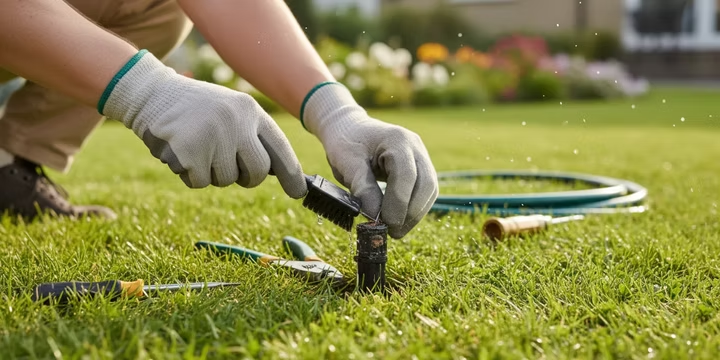
A lush, green lawn is a point of pride for any homeowner, but what happens when you start seeing mysterious dry, brown patches? Before you blame pests or disease, the culprit is often much simpler: a clogged sprinkler head. The average American family uses 320 gallons of water per day, and about 30 percent of that is devoted to outdoor uses. Nationwide, landscape irrigation is estimated to account for nearly one-third of all residential water use, totaling nearly 9 billion gallons per day. A clog is one of the most common irrigation issues, disrupting water flow and leaving parts of your yard thirsty. Dirt, grass clippings, sand, and mineral buildup can all block the small nozzles, causing weak sprays or stopping the flow entirely.
Fortunately, learning how to fix a clogged sprinkler head is a straightforward task most homeowners can tackle themselves. In short, to fix a clogged sprinkler head, you’ll turn off the water, remove the nozzle and its filter, clean the components with water and a thin wire, flush the head by running the water briefly, and then reassemble it. This guide will walk you through everything from diagnosis to repair, helping you restore your system’s efficiency and get your lawn back to its healthy, uniform green. Knowing how to fix a clogged sprinkler head is a valuable skill for any homeowner.
Spotting the Problem: Clogged Sprinkler Head Diagnosis
Figuring out if you have a clog is usually pretty simple. The most obvious signs are visible in your lawn. Look for:
- Dry or brown spots: An area of your grass that looks stressed or dry while the rest of the zone is green is a classic symptom, as most lawns need 1 to 1.5 inches of water per week to stay healthy.
- Weak or sputtering spray: Watch your system run. A clogged head will often have a weak, uneven, or sputtering spray pattern compared to the others in the same zone.
- A head that won’t pop up: If a pop up sprinkler head doesn’t rise at all or only comes up partially, it’s often because debris inside is blocking water pressure.
A quick visual inspection usually confirms the suspicion and is the first step when you need to fix a clogged sprinkler head. Turn the system off and check the problem head for mud, grass, or other debris lodged in the nozzle.
Gearing Up: Tools You’ll Need to Fix a Clogged Sprinkler Head
You don’t need a massive toolbox to fix a clogged sprinkler head. Most of the job can be done with a few basic hand tools and household items.
- A small flathead screwdriver: Essential for prying up nozzles and adjusting spray patterns.
- Pliers: Helpful for gripping and turning stubborn parts.
- A bucket of clean water: For rinsing nozzles and filters.
- A thin wire or paperclip: Perfect for gently poking debris out of the nozzle opening.
- An old toothbrush or soft bristle brush: For scrubbing the filter screen and nozzle without causing damage.
For more involved jobs like replacing a head, you might also need a small trowel to dig around the base and some plumber’s tape for sealing threads.
The Step by Step Guide to Fix a Clogged Sprinkler Head
Once you have your tools, you’re ready to get to work. Always remember to turn off the water to the zone you are working on before you begin. If you need a refresher, see this quick guide to shutting off your sprinkler system fast.
Step 1: Nozzle and Filter Screen Cleaning
The most frequent cause of a blockage is debris caught in the nozzle or the filter screen that sits just beneath it. The filter is the last line of defense, designed to trap grit before it can block the nozzle.
- Remove the Nozzle: For pop up heads, pull the riser up from its housing. Unscrew the nozzle at the top by twisting it counterclockwise. If it’s tight, use pliers carefully.
- Remove the Filter: Once the nozzle is off, you should see a small, cylindrical filter screen inside. Pull it straight out.
- Clean Both Parts: Rinse the nozzle and filter screen thoroughly in your bucket of water. Use a soft brush to gently scrub away any stubborn grime. For the nozzle opening itself, carefully use a paperclip or thin wire to dislodge any particles stuck inside.
Step 2: Flush the Sprinkler Head to Clear Internal Debris
Before you put the clean parts back on, it’s a great idea to flush the line. This quick step pushes out any loose debris sitting in the pipe or sprinkler body, preventing it from immediately clogging your freshly cleaned nozzle.
With the nozzle and filter still removed, briefly turn the water on for that zone for 20 to 30 seconds. Water will shoot up from the open sprinkler body, carrying sand, dirt, and other gunk with it. When the water runs clear, you can turn the zone off again.
Step 3: Dealing with Tough Buildup and Mineral Deposits
If you live in an area with hard water, like much of West Texas, you might be dealing with mineral deposits (like calcium and lime) instead of just dirt. This buildup can form a crust that is difficult to remove, making it harder to fix a clogged sprinkler head with a simple rinse.
The most effective home remedy is a vinegar soak. Place the nozzle and filter screen in a bowl of half white vinegar and half water for about 30 minutes. The mild acid in the vinegar will dissolve the mineral scale. After soaking, scrub the parts with a soft brush and rinse them completely. For very heavy buildup, soaking the parts in a bucket of hot water can also help loosen the deposits.
Troubleshooting More Complex Sprinkler Issues
Sometimes the problem goes beyond a simple clog. If you’ve cleaned the nozzle and filter but the sprinkler still isn’t working right, it’s time to investigate other common issues.
How to Fix a Sprinkler Head That Won’t Pop Up
A sprinkler that refuses to pop up is a common headache. After confirming it isn’t just clogged, the issue could be:
- Low Water Pressure: If multiple heads in a zone are struggling to rise, you might have a bigger pressure problem, like a leak in the line or a zone valve that isn’t opening fully.
- A Broken Head: The internal components of a sprinkler can wear out or break, especially after being hit by a lawnmower. If water is gushing from the base of the head instead of spraying from the nozzle, the head is likely cracked and needs replacement.
- External Debris: Dirt and grass can become packed around the sprinkler head’s collar, physically preventing the riser from moving up and down.
How to Fix a Non Rotating Sprinkler Head
Rotor heads are designed to sweep back and forth, but they can sometimes get stuck in one position. This leads to one part of your lawn getting flooded while another part dries out. The common causes are:
- Jammed Gears: Fine sand and grit can work their way into the internal gear mechanism, causing it to seize up. Flushing the head thoroughly can sometimes solve this.
- Worn Out Internals: Over time, the gears simply wear out. Mineral buildup can also accelerate this process.
- Incorrect Water Pressure: Rotors require a certain amount of pressure to function. Different sprinkler types have different ideal operating pressures; rotors typically need around 45 PSI, whereas spray heads function best closer to 30 PSI. If the pressure is too low, they may not have enough force to turn.
For many internal failures in both pop up and rotor heads, replacement is often the easiest and most reliable solution.
When Cleaning Fails: Sprinkler Head Replacement
You’ve cleaned the nozzle, flushed the line, and soaked the parts, but the sprinkler still isn’t working. At this point, it’s time to replace the head. A single broken sprinkler head can waste up to 25,000 gallons of water in a single season, so a quick replacement is a smart move.
Replacing a head is usually as simple as digging around the old one, unscrewing it from the riser pipe, and screwing on a new one of the same type. If that process feels intimidating or you’re unsure which replacement part to buy, the experts are here to help. For a professional sprinkler head replacement in Lubbock, you can always count on the experienced team at M&M Sprinklers.
The Finishing Touches and Future Prevention
After you fix a clogged sprinkler head, there are two final steps: adjusting it and making a plan to prevent future clogs.
Final Adjustments: Setting Spray Direction and Coverage
A repaired or replaced sprinkler head needs to be aimed correctly. Turn the system on and check that the spray is covering the right area. For a step-by-step on setting arc and radius, use our sprinkler nozzle adjustment guide. You can typically adjust two things:
- Direction: On pop up heads, you can usually grip the riser stem and turn it to point the spray pattern where it needs to go.
- Distance (Radius): Most nozzles have a small screw on top. Turning it clockwise with a screwdriver will shorten the spray distance, while turning it counterclockwise will increase it.
Proper adjustment ensures head to head coverage and prevents you from wasting water on sidewalks and driveways.
The Best Fix: Prevent Clogs with Routine Maintenance
The best way to avoid the hassle is to prevent a clog from happening in the first place, but knowing how to fix a clogged sprinkler head is a valuable skill. Simple, routine maintenance can cut outdoor water use significantly, especially since some experts estimate that up to 50% of water used for irrigation is wasted due to factors like wind, evaporation, and runoff. This keeps your system running smoothly.
Plan to inspect your system at least twice a year, once at spring startup and again mid season. During your check, run each zone and look for underperforming heads. Proactively removing and rinsing each nozzle and filter screen annually can prevent the gradual buildup of debris. A well maintained system not only saves water but also saves you from the headache of emergency repairs during the hottest months of the year. Consider installing a rain/freeze sensor so your system skips watering when nature already did the job.
For homeowners who want peace of mind, professional maintenance plans are a great option. A service like the one offered by M&M Sprinklers in Lubbock ensures your entire system is checked, cleaned, and adjusted by an expert on a regular basis.
Frequently Asked Questions About How to Fix a Clogged Sprinkler Head
Why does only one sprinkler head in a zone have low pressure?
This almost always points to a clog in that specific head. The blockage is likely in the small filter screen right under the nozzle or in the nozzle opening itself, restricting water flow and reducing pressure.
Can I use harsh chemicals like CLR or bleach to clean my sprinkler heads?
It’s best to avoid strong chemicals. Harsh cleaners can damage the plastic and rubber components inside the sprinkler head, leading to premature failure. A simple soak in a vinegar and water solution is much safer and usually just as effective for mineral buildup.
How often should I clean my sprinkler head filters?
A good rule of thumb is to inspect and clean the filters at least once a year, typically during your spring system startup. If you live in an area with sandy soil or very hard water, checking them twice a year (spring and mid summer) is even better.
What is the easiest way to find a clogged sprinkler head?
The easiest way is to run that irrigation zone and walk through your yard. Look for heads that are spraying weakly, have an erratic pattern, or aren’t popping up at all. The dry patches of grass they create are also a major giveaway.